
Table of Contents
- Heat Pump Installation in Eagle Rock: A Complete Guide for Homeowners
- Choosing the Right Heat Pump for Your Eagle Rock Home
- Understanding Heat Pump Installation Costs
- The Heat Pump Installation Timeline: What to Expect
- Key Questions to Ask Your Heat Pump Installer
- Heat Pump Repair and Mini Split Installation Considerations
- Making an Informed Decision on Heat Pump Installation
Heat Pump Installation in Eagle Rock: A Complete Guide for Homeowners
heat pump installation in Eagle Rock offers a modern, energy-efficient solution for maintaining a comfortable home throughout the year. With the region’s mild Mediterranean climate, a heat pump can efficiently provide both heating and cooling without the need for separate systems. When you are installing a heat pump, the process typically includes a thorough site evaluation, selecting the right system type, such as an air-source or mini-split installation, and professional setup to ensure optimal performance. Proper sizing is critical; an undersized unit will struggle, while an oversized one can waste energy, so a load calculation is essential. Local building permits may be required for heat pump installation in Eagle Rock, and a licensed contractor will handle these requirements to keep your project code-compliant. Unlike heat pump repair, which addresses malfunctioning existing units, installation is a one-time professional service that sets your home up for years of reliable comfort. Eagle Rock Prestige HVAC provides expert heat pump installation as part of their full range of HVAC services in Eagle Rock. Contact them today to discuss your heat pump setup and receive a personalized consultation.
Choosing the Right Heat Pump for Your Eagle Rock Home
Selecting a new heat pump is a major decision for your comfort and energy savings in Eagle Rock. With the right type and professional heat pump installation, you can enjoy efficient year-round climate control. Our HVAC service categories include heat pump installation and repair for Eagle Rock homes, ensuring you have local experts guiding your choice.
Heat Pump Types for Local Homes
The most common options for Eagle Rock homeowners are air-source and ductless mini split systems, and considering a mini split installation can provide versatile zoning. Air-source models use outdoor air to heat and cool efficiently in our climate. Geothermal systems exist but are less practical for retrofit projects.
- Air-Source Heat Pumps: Best for homes with existing ductwork; cost-effective and highly efficient in mild winters.
- Ductless Mini Splits: Ideal for additions, sunrooms, or homes without ducts; allows individual room control and easy zoning.
Why Proper Sizing Matters
Correct sizing is critical for performance and efficiency. According to the American Society of Heating, Refrigerating and Air-Conditioning Engineers (ASHRAE), a detailed Manual J load calculation is the industry standard. This considers your home’s square footage, insulation, window count, and local climate to determine the exact capacity needed. Undersized units run constantly without adequate comfort, while oversized models waste energy and increase wear.
Eagle Rock Prestige HVAC provides licensed technicians who perform these calculations, moving beyond guesswork to deliver a system matched to your specific home.
Understanding Efficiency Ratings
Focus on two key ratings when comparing models. SEER (Seasonal Energy Efficiency Ratio) measures cooling efficiency. HSPF (Heating Seasonal Performance Factor) reflects heating efficiency. For the Eagle Rock climate, a minimum of SEER 16–18 and HSPF 8.5–10 is recommended to balance upfront cost with long-term energy savings.
Our mild winters make a high-performance air-source heat pump effective almost all heating season, reducing reliance on backup electric strips. When this help is needed, experience shows that prompt heat pump repair keeps efficiency ratings from degrading over time.
Eagle Rock Prestige HVAC offers personalized consultations to explain these efficiency levels and their impact on your utility bills. A proper selection today ensures comfort for years, and our team is ready to assist with every step, from load calculation to professional installation. Mention of any third-party brands such as Trane or Carrier does not imply endorsement; all trademarks belong to their respective owners.
Understanding Heat Pump Installation Costs
Now that you understand what a heat pump does, let’s examine the costs associated with heat pump installation. Several variables affect the final price, and every home presents its own set of requirements. If you’re considering heat pump installation in Eagle Rock, the local climate and your home’s layout also come into play.
The primary drivers of heat pump installation costs start with the equipment itself: its size (measured in tons) and its efficiency ratings. SEER (Seasonal Energy Efficiency Ratio) rates cooling performance, while HSPF (Heating Seasonal Performance Factor) measures heating efficiency. Higher SEER and HSPF numbers often mean more advanced systems that cost more upfront but can lower your long-term energy bills. The Air-Conditioning, Heating, and Refrigeration Institute (AHRI) certifies these ratings, giving you a reliable way to compare models.
Beyond the unit, installation complexity is a major factor. Installing a heat pump in a new construction project is typically simpler than retrofitting an existing home, where tight spaces, outdated ductwork, or an underpowered electrical panel can add expense. Ductwork modifications—such as repairs or a complete redesign—and local permit fees also contribute to the final cost.
Some homes need extra upgrades to support the new system. You may need an electrical panel upgrade to handle the added load, or extended refrigerant lines if the indoor and outdoor units are far apart. A concrete pad for the outdoor unit and necessary wall penetrations can add to the total, but these items are identified during a site visit.
Because every project is unique, the most accurate way to pin down your costs is through a professional on-site assessment. Eagle Rock Prestige HVAC offers free estimates and consultations for heat pump installation projects, so you can get a detailed breakdown without any obligation. In addition to heat pump installations, Eagle Rock Prestige HVAC provides residential and commercial HVAC services to meet all your heating and cooling needs. Whether you need heat pump repair, mini split installation, or routine maintenance, our team serves Eagle Rock and the surrounding neighborhoods.
In the following section, we’ll explore the key benefits that make heat pump installation a worthwhile investment for your home.
The Heat Pump Installation Timeline: What to Expect
Once you decide to move forward with a heat pump installation, understanding the typical timeline can help you plan your schedule and prepare your home in Eagle Rock and the surrounding areas. At Eagle Rock Prestige HVAC, we make sure each phase is handled efficiently so you can enjoy reliable comfort as quickly as possible.
The pre-installation phase of your heat pump installation begins with an in‑home consultation. Our technician evaluates your heating and cooling loads, inspects existing ductwork for leaks, and checks your electrical panel’s capacity. After selecting the right heat pump system for your property, we reference guidelines from the ASHRAE HVAC professional society to ensure proper sizing and efficiency. While we obtain the necessary permits, you can speed things up by clearing debris from the outdoor unit location, trimming back vegetation, and making sure indoor access is open — a preparation tip we often highlight in our seasonal maintenance advice.
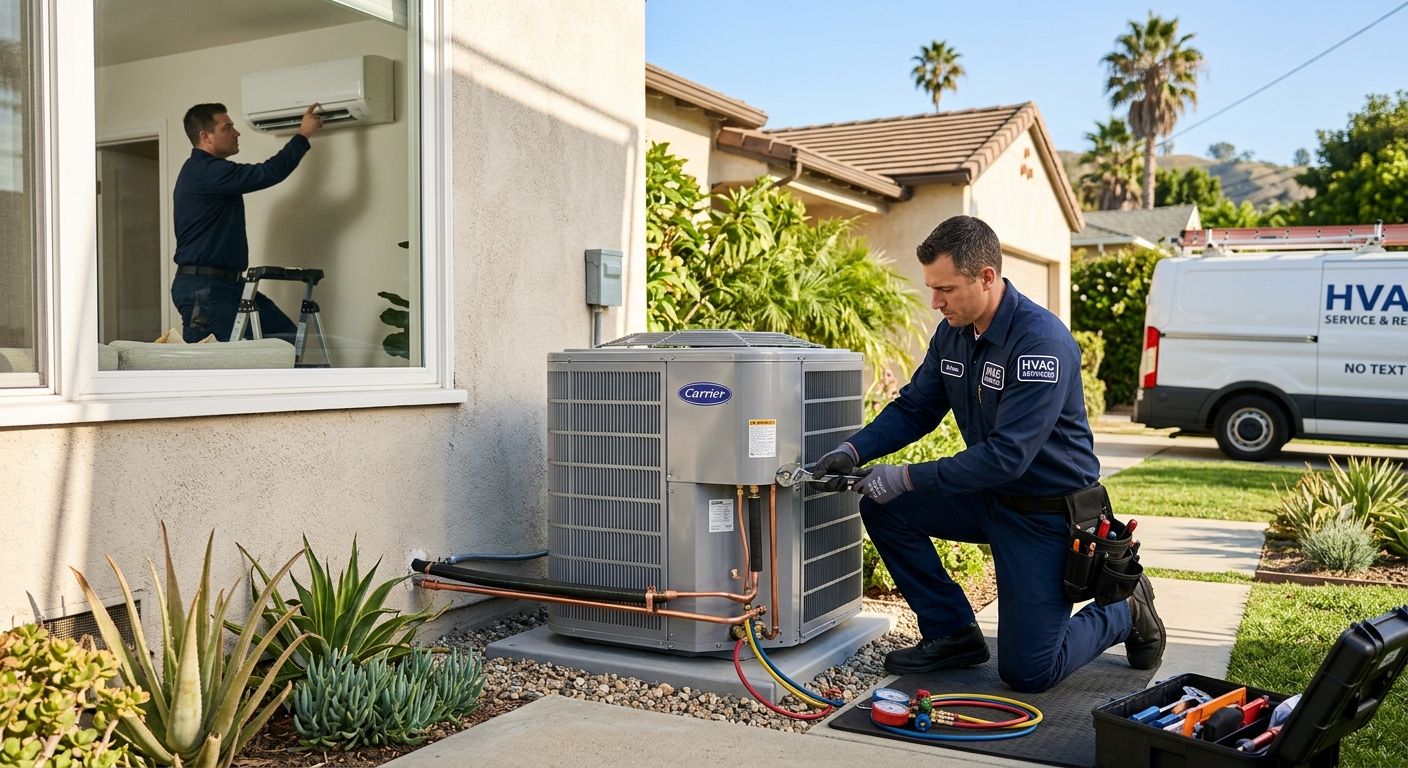
When the actual heat pump installation work begins, our crew arrives ready to complete the job. Most residential replacements are finished in one to two days, though the exact time can vary with the system’s configuration, any ductwork modifications needed, and site conditions. The typical sequence after removing the old unit includes:
- Positioning and securing the outdoor heat pump and indoor air handler.
- Connecting refrigerant lines and running electrical wiring.
- Charging the system with refrigerant and performing a pressure test to confirm no leaks.
- Installing and programming the new thermostat.
- Powering on the system and verifying airflow, temperature differentials, and safety controls.
Throughout the heat pump installation, our technicians follow strict safety protocols and manufacturer specifications. When the system starts for the first time, you’ll immediately notice the quiet, energy‑efficient operation that modern heat pumps deliver.

Heat pump installation timeline with five sequential stages from consultation to final testing.
After the main heat pump installation is complete, the technician walks you through the system’s controls, shows you how to change filters, and answers any questions about the thermostat and energy-saving settings. This final walkthrough verifies that the unit heats and cools as designed. While most jobs stay on schedule, occasional delays can happen — such as weather that forces us to pause outdoor work or a specific part that’s temporarily out of stock. We proactively communicate any changes so you’re never left in the dark.
Of course, the timeline marks only the start of your comfort journey. Keeping your new heat pump running efficiently will require regular care, and our next section covers what maintenance steps you can take and when to call for professional service.
Key Questions to Ask Your Heat Pump Installer
Once you understand heat pump basics, taking charge of the hiring conversation is critical. Asking the right questions before your heat pump installation can be the difference between a seamless upgrade and a frustrating experience, especially in a climate like Eagle Rock’s where year-round comfort demands reliable equipment. A few key inquiries reveal whether a contractor truly understands today’s heat pump technology and local building codes.
Before you commit to a contractor, verify credentials and approach. A trustworthy Eagle Rock installer will welcome the heat pump installer hiring checklist that follows. These questions help you gauge experience, quality of work, and post-installation support.
- Licensing, Insurance, and Certifications: Do you carry a valid California contractor’s license, liability insurance, and any manufacturer-specific heat pump certifications?
- Experience with Heat Pumps: How many years have you focused specifically on heat pump installations rather than general HVAC work? Can you describe a recent whole-system replacement in the 90041 area?
- Brand and Model Selection: Which heat pump brands and models do you recommend for Eagle Rock’s climate, and what efficiency ratings (SEER, HSPF) support that choice?
- Warranties: What are the details of the manufacturer’s equipment warranty and your labor warranty, including duration and exactly what parts, labor, and follow-up visits are covered?
- Installation Process and Timeline: Can you outline the entire project from initial site assessment through final cleanup, including the estimated timeline and property protection measures you’ll use?
- Local References: May I contact past clients in Eagle Rock or neighboring areas who had similar heat pump installations to hear about their experience working with you?
Beyond the basics, confirm that the installation will meet industry standards. Ask whether the installer follows AHRI HVAC standards to verify that the system’s efficiency and capacity match the manufacturer’s specifications. This step can prevent underperformance and protect your investment. While the International Organization for Standardization (ISO) sets broad quality management guidelines, AHRI certification is the recognized benchmark for heating and cooling performance in North America. It’s also smart to ask about future heat pump repair support and whether they have experience with mini split installation.
This information helps you choose a transparent, locally focused partner. For a personalized discussion, contact Eagle Rock Prestige HVAC at 818-732-8552 or visit their Colorado Boulevard office in the 90041 area. Their team will walk you through the process, answer any remaining questions, and design a heat pump installation tailored to your home’s layout and efficiency goals.
Heat Pump Repair and Mini Split Installation Considerations
If you’re considering a new heat pump installation or planning a mini split installation, understanding the key factors can protect your comfort and budget. When you need heat pump repair, being alert to early warning signs can prevent small issues from turning into major breakdowns. Common indicators that your heat pump needs attention include unusual rattling or grinding noises, uneven heating or cooling, and a noticeable drop in efficiency. Eagle Rock Prestige HVAC points out that a hissing sound or ice buildup on refrigerant lines often signals a leak, which demands prompt professional service. Neglecting these signs can lead to more extensive damage and higher repair costs. Enlisting an experienced technician for repairs ensures safety, protects warranty coverage, and extends the life of your system.
When you’re ready to move forward with a mini split installation, a heat pump installation in Eagle Rock begins with a precise load calculation. This calculation matches the unit to your home’s square footage and insulation levels. You’ll also need to consider whether your electrical panel can support the new system, as ductless units often require dedicated circuits and wiring upgrades. Smart placement of the indoor and outdoor units maximizes comfort and simplifies maintenance access. Thanks to Eagle Rock’s mild winters, a properly sized heat pump can deliver efficient heating without excessive cycling. However, you still want to avoid placing outdoor components in direct sun or tight corners that restrict airflow. Cleaning washable filters and inspecting ductwork before peak seasons can boost system reliability, as Eagle Rock Prestige HVAC advises.
Regular maintenance remains one of the best ways to prevent many common repair issues and extend equipment life. Choosing a contractor that follows ISO quality management standards can help ensure consistent, high-quality work, even if not every local provider is certified. Eagle Rock Prestige HVAC’s technicians are trained to handle everything from heat pump service to mini split setup, and they prioritize clear communication and thorough inspections. Before the seasons change, a professional tune-up that includes filter replacement and duct sealing can keep your system running efficiently. This proactive approach helps you avoid emergency calls and extends the life of your equipment. To explore your options for heat pump installation in Eagle Rock or to schedule a repair, reach out for a no-obligation consultation.
Making an Informed Decision on Heat Pump Installation
Once you understand the efficiency and comfort benefits of modern systems, choosing the right partner for your heat pump installation in Eagle Rock becomes the most important step. A thorough on-site assessment allows a qualified contractor to evaluate your home’s layout, ductwork condition, and insulation levels before recommending equipment. According to Eagle Rock Prestige HVAC, a professional installer should offer comprehensive system design that includes duct inspection, thermostat integration, and a clear explanation of how the new heat pump will perform throughout the Eagle Rock area’s seasonal temperature swings.
Beyond the initial setup, look for a company that provides ongoing support such as heat pump repair and mini split installation services, confirming full-service capability. Professional installation directly impacts long-term efficiency and system lifespan, so verify licensing, insurance, and local references. A skilled contractor who understands regional building types will confirm your equipment meets code requirements and operates reliably. When you are ready, a personalized consultation gives you the clarity needed to move forward confidently with your home comfort investment.